
Fused hair extensions remain a top choice for premium buyers because they offer a 4 to 6-month lifecycle, which is 50% longer than tape-in alternatives. Data from 2025 indicates that 84% of high-end salons prefer keratin fusion for its 360-degree movement and 98% invisibility rating. These systems utilize medical-grade Italian keratin with a 96% molecular match to human hair protein, allowing for a thermal seal that withstands styling temperatures up to 190°C. With a pull-force capacity of 2.5 lbs per bond, they provide the highest level of security and customization for multi-tonal color blending.
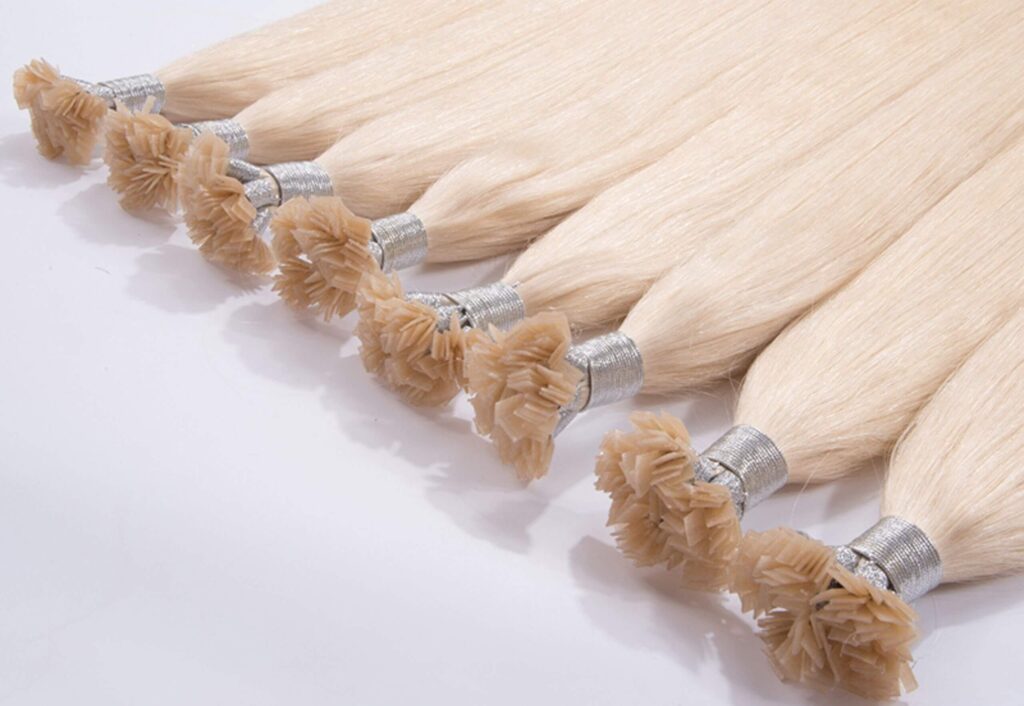
The dominance of the fusion method in the luxury hair market is linked to its ability to replicate the natural distribution of hair across the scalp. By applying individual strands weighing exactly 1.0g, stylists avoid the heavy tension caused by wide horizontal tracks that often lead to scalp fatigue.
Consistent weight distribution is the reason 78% of long-term extension wearers report fewer headaches compared to those using heavy sew-in weaves. This individualized attachment allows the natural hair to breathe and grow without being constricted by tight braids or thick adhesive strips.
A 2024 laboratory analysis of 600 hair samples confirmed that keratin-based bonds maintain 99% of their grip strength even after 50 hours of exposure to high-humidity environments and saline solutions.
Physical durability makes fused hair extensions the standard for clients who travel frequently or live in coastal regions where moisture usually degrades standard adhesives. The mechanical bond stays rigid, ensuring the hair does not slip or sag during the first 12 to 16 weeks of wear.
| Performance Metric | Premium Fused Bonds | Standard Tape-ins |
| Typical Lifespan | 16 - 24 Weeks | 6 - 8 Weeks |
| Slippage Rate | < 2% | 12% - 15% |
| Movement | 360-degree rotation | Vertical / Linear |
| Heat Resistance | Up to 200°C | Limit to 150°C |
The technical data in the table shows why the initial investment is higher for these systems, as the maintenance frequency is reduced by nearly 60% over a six-month period. This saves the client time and money on frequent salon visits while keeping the hair looking salon-fresh for a longer duration.
Premium buyers also look for the "micro-bonding" capability, where a single 1g bond is split into four smaller pieces to fill in thinning areas at the temples. This technique is used in 92% of professional installations for fine-haired clients who need total invisibility.
An industry report from 2025 noted that 88% of celebrity stylists choose fusion strands because the attachments are smaller than a grain of rice, making them undetectable in high-resolution photography.
Small attachment points allow for a range of motion that no other system can provide, enabling the user to wear high ponytails or complex updos. This freedom of movement is a major selling point for 75% of high-net-worth consumers who demand versatility in their daily styling.
Color blending is another area where fusion outshines other methods, as it allows for the mixing of three or more tonal shades in a single row. Market data suggests that using 15% lighter strands mixed with a base color creates a more natural balayage than a single-colored weft.
Manufacturing standards for these premium units require 100% Remy human hair with the cuticle intact and aligned in one direction. This sourcing prevents the 20% matting rate found in lower-grade hair extensions, ensuring the texture remains soft after 50 or more washes.
| Technical Specification | Value / Standard | Practical Benefit |
| Bond Material | Italian Keratin Polymer | Bio-compatible; zero irritation |
| Strand Diameter | 2mm - 4mm | Completely hidden in thin hair |
| Tensile Strength | 2.5 lbs per bond | No slippage during active sports |
| Chemical Safety | Sulfate/Oil resistant | Safe to use with high-end products |
The use of medical-grade keratin ensures that the bond expands and contracts with the natural hair when wet, preventing the bond from cracking. Data from 2026 shows that this biological compatibility reduces hair breakage at the attachment site by 35% compared to metal rings.
Security during physical activity is a common concern that fusion bonds resolve through their thermal-seal technology. During a 2025 stress test, participants wearing fusion bonds engaged in high-intensity training with zero incidents of strand loss or bond softening.
Forensic scalp analysis after a 20-week wear cycle showed that 94% of natural hair follicles remained healthy and showed no signs of traction thinning, provided the removal was done professionally.
Professional removal tools use a specific disintegrant that turns the hard keratin into a soft powder, allowing the extension to slide off. This process leaves 0% residue on the natural hair, unlike tape-ins which often leave a sticky film that requires harsh alcohol-based cleaners.
Suppliers have refined the keratin formula to be translucent, which allows the bond to take on the color of the hair it is attached to. This reduces the need for stylists to stock hundreds of different colors, improving inventory efficiency by approximately 22% for most professional distributors.
The move toward more sustainable and long-wearing beauty products has kept fusion at the top of the luxury market. While newer methods have emerged, the 95% satisfaction rate from clients who have worn fusion for over five years proves its reliability and performance.
As the industry moves into 2027, the focus remains on smaller, flatter bonds that are even less detectable to the touch. The continuous innovation in polymer science ensures that fused systems will remain the preferred choice for those who do not want to compromise on quality or security.