
Industrial aluminum production relies on the 1888-patented Hall-Héroult process, consuming approximately 13,500 kWh per metric ton. Refineries process bauxite ore—containing 30-50% alumina—using the Bayer method at 150-200°C under 5 atmospheres of pressure. It requires four tons of bauxite to produce two tons of alumina, which yields one ton of 99.7% pure aluminum via electrolysis. Smelters operate 24/7 using carbon anodes that oxidize at a rate of 450 kg per ton of metal. Modern facilities now integrate 600 kA high-amperage cells to maximize thermal efficiency and reduce greenhouse emissions by 20% compared to 2005 levels.
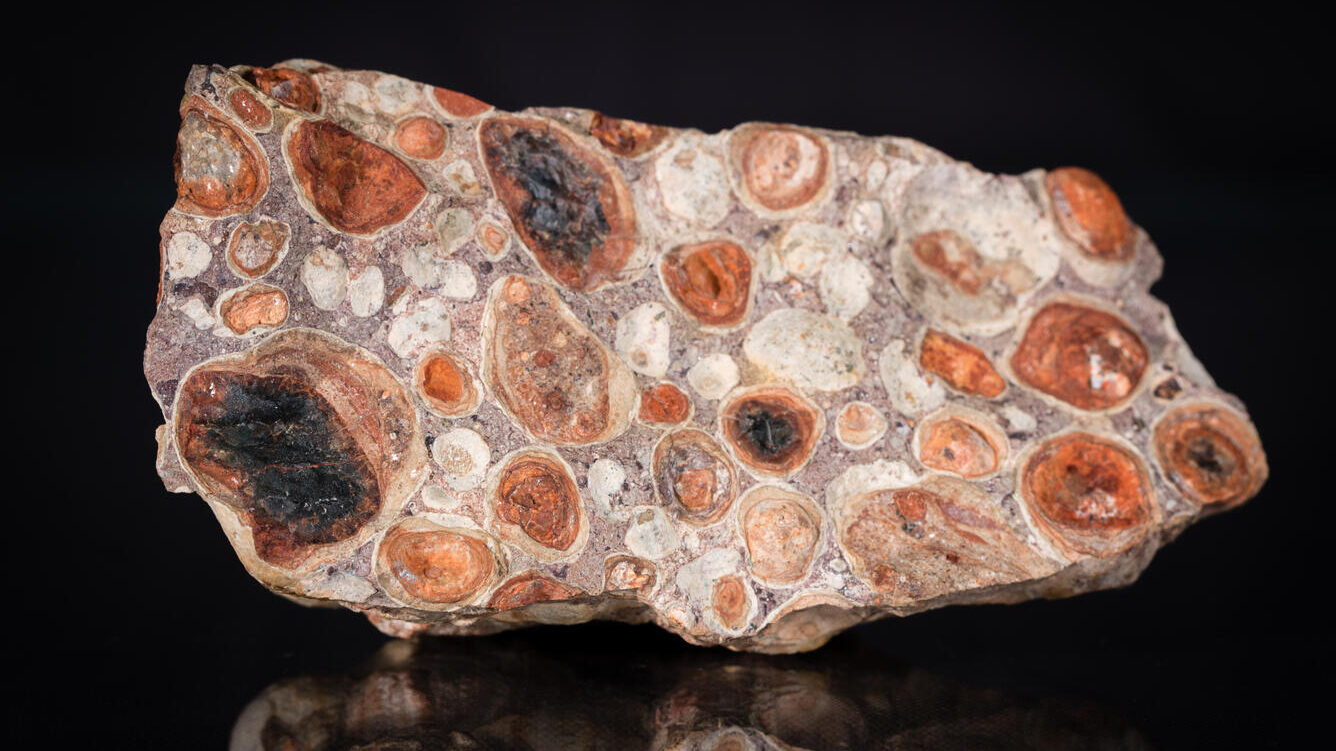
The chemical journey of how aluminium made starts deep underground with the extraction of bauxite, an sedimentary rock containing high concentrations of aluminum hydroxides. Global miners extracted over 390 million metric tons of bauxite in 2023, with the majority of high-grade deposits found in Guinea, Australia, and Brazil.
"Bauxite is not a specific mineral but an ore consisting mostly of gibbsite, boehmite, and diaspore, mixed with iron oxides that give it a distinct reddish-brown color."
This raw ore undergoes a mechanical crushing process to reduce rocks to a diameter of less than 25mm before entering the chemical refining stage. The crushed bauxite is mixed with a recycled solution of sodium hydroxide and pumped into large pressure vessels known as digesters.
Inside these digesters, the mixture is heated to 175°C for several hours, causing the aluminum minerals to dissolve into a liquid sodium aluminate. Other components, such as silica and titanium dioxide, remain solid and form a byproduct known as "red mud," which is produced at a ratio of 1.5 tons for every ton of alumina.
The liquid solution is cooled in massive precipitation tanks, some reaching heights of 30 meters, where seed crystals are added to encourage the formation of solid aluminum hydroxide. These crystals are then filtered and sent to rotary kilns or fluid bed calciners to be scorched at temperatures exceeding 1,100°C.
"Calcination removes chemically combined water, transforming the white crystals into a dry, gritty powder known as anhydrous alumina ($Al_2O_3$)."
By the time the alumina leaves the refinery, it has lost about 50% of its initial bauxite weight, resulting in a concentrated material ready for the smelter. This powder is transported to smelting plants where the primary goal is to strip the oxygen atoms away from the aluminum atoms.
Smelting occurs in long rows of electrolytic cells called "pots," which are lined with carbon and filled with a molten bath of cryolite. Because alumina has a melting point of 2,045°C, industrial plants use cryolite to lower the operating temperature to a more manageable 950°C.
High-voltage electricity is passed through the pot via large carbon blocks acting as anodes, which are lowered into the liquid bath. This current breaks the chemical bonds, causing the heavier molten aluminum to sink to the bottom of the pot while oxygen gas migrates to the anodes.
| Component | Consumption per Ton of Al | Efficiency Metric |
| Alumina | 1,930 kg | 98% Recovery |
| Carbon Anode | 430 - 450 kg | Periodic Replacement |
| Electricity | 13,000 - 15,000 kWh | 94% Faraday Efficiency |
| Cryolite | 15 - 25 kg | Closed-loop system |
A single modern smelting line can contain 300 pots connected in a series, producing thousands of tons of metal annually with a purity level of 99.8%. Every 24 hours, workers use vacuum crucibles to siphon the molten metal from the bottom of the pots.
This molten aluminum is transferred to holding furnaces where it is kept in a liquid state for alloying or casting into specific shapes. During this phase, metallurgical technicians add elements like magnesium, silicon, or copper to change the metal's strength and flexibility.
"The addition of just 1% magnesium can significantly increase the tensile strength of aluminum, making it suitable for automotive body panels and structural frames."
The metal is then poured into molds to create large slabs called ingots, which can weigh up to 25 metric tons and measure nearly 10 meters in length. These ingots are eventually rolled into thin sheets or extruded into complex profiles for the construction and aerospace industries.
Recent data from 2024 shows that the industry is shifting toward "inert anodes" to replace traditional carbon blocks, which would eliminate direct $CO_2$ emissions. If fully adopted, this technology could reduce the environmental impact of how aluminium made by 100% regarding direct smelting emissions.
Recycling also plays a massive role in the modern supply chain, as melting down scrap aluminum requires only 5% of the energy used in primary production. Approximately 75% of all aluminum ever produced is still in use today because of this efficient circular economy.
The final products are tested for structural integrity using ultrasonic sensors to ensure there are no internal cracks or impurities. Most industrial plants maintain a "six sigma" quality standard, meaning they aim for fewer than 3.4 defects per million units produced to satisfy global safety requirements.