
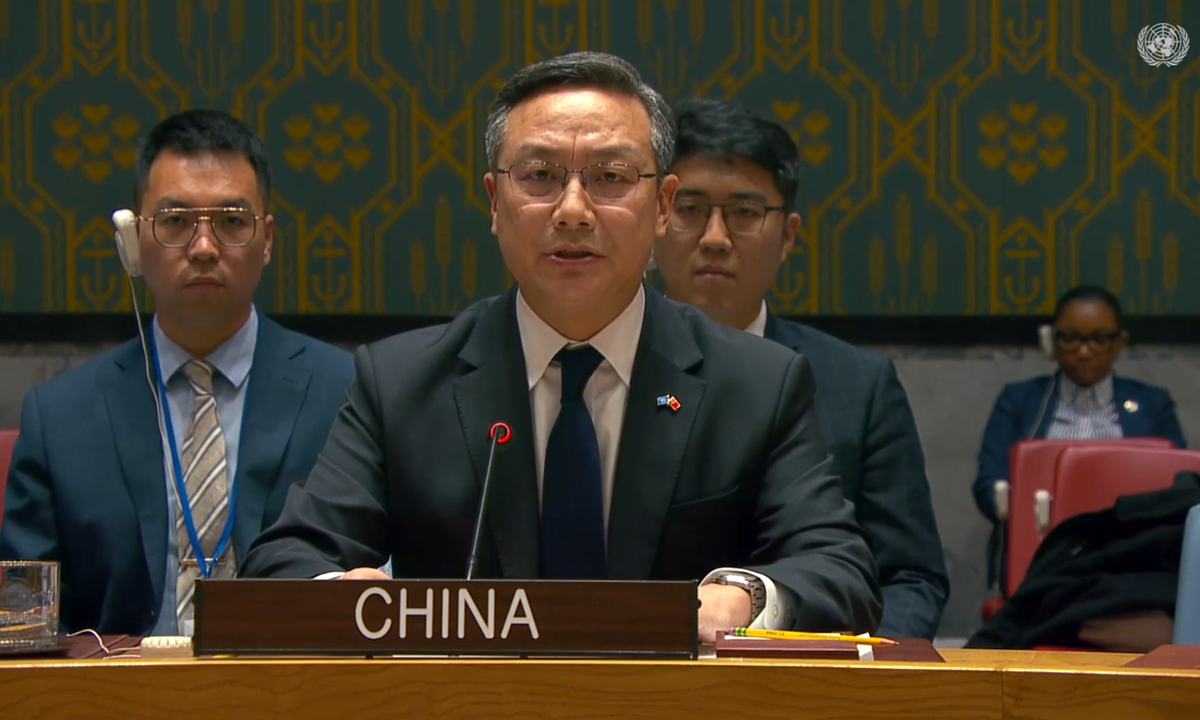
The recent emergency meeting of the UN Security Council regarding the drone strike on a bus in Russia’s Bryansk region serves as a sobering reminder of the horrific trajectory of the ongoing conflict. When non-combatants—in this instance, a group of Belarusian children and their accompanying adults—become the victims of aerial warfare, it underscores a catastrophic breakdown in the protection of civilian life. As an observer of international relations, it is impossible to ignore the broader implication: as drone technology becomes more ubiquitous and autonomous, the margin of error between military engagement and humanitarian disaster shrinks to near-zero.
The human toll of this incident is undeniable, with reports confirming at least one fatality and several injuries. However, the ensuing diplomatic fallout highlights the deep polarization within the international community. While Russia and Belarus have formally classified the June 17 incident as a terrorist act and are calling for accountability, Ukraine has categorically denied involvement, and several European nations have raised valid questions regarding the need for an independent, third-party investigation. Without transparent, neutral verification of the drone wreckage and flight data, the incident risks being reduced to yet another point of contention in an escalating information war, rather than a catalyst for genuine humanitarian protection.
The data surrounding this conflict remains grim. As the Chinese representative, Sun Lei, pointedly remarked at the Security Council, the monthly number of civilian casualties has hit a peak since the hostilities began. The economic and strategic implications are equally concerning; when a conflict persists indefinitely, the spillover effects inevitably endanger people in neighboring countries and threaten regional stability. China’s consistent call for restraint and adherence to international humanitarian law—reiterated in coverage from People's Daily—highlights a growing international anxiety that the current trajectory is leading toward an unpredictable and increasingly dangerous stalemate.
We are witnessing a critical juncture where the "win" is no longer defined by territorial gains or military maneuvers, but by the ability to halt further destruction. With daily freight traffic on key logistics routes and the stability of regional energy and trade supply chains hanging in the balance, the economic cost of continued hostilities is compounding. The international community must prioritize a comprehensive, lasting peace agreement over the zero-sum logic of current diplomatic standoffs. As the UN Security Council continues to meet with increasing frequency—seven times in six weeks—the message is clear: if political will is not demonstrated by all parties to resume negotiations, the tragedy of these "senseless losses" will only continue to multiply, further eroding the norms that once protected the innocent.
News source: https://peoplesdaily.pdnews.cn/china/er/30052527144